
Everything You Need to Know About Gum Grafting and Soft Tissue Grafting
Gum recession is a frequent dental condition that can impact your smile’s health and appearance. Recessing gums can cause tooth sensitivity, an elevated risk of decay, and even tooth loss if treatment is not received. Gum grafting, sometimes referred to as soft tissue grafting, is one of the best ways to cure gum recession. The goal of this surgery is to protect exposed tooth roots, repair your gum line, and stop additional gum and tooth damage.
In order to assist patients keep a gorgeous, natural smile and improve their oral health, Toronto North Periodontics specializes in cutting-edge periodontal treatments like gum grafting. We’ll go over the definition of gum grafting, its significance, and its advantages for dental health in this blog.
What Is Grafting Gum?
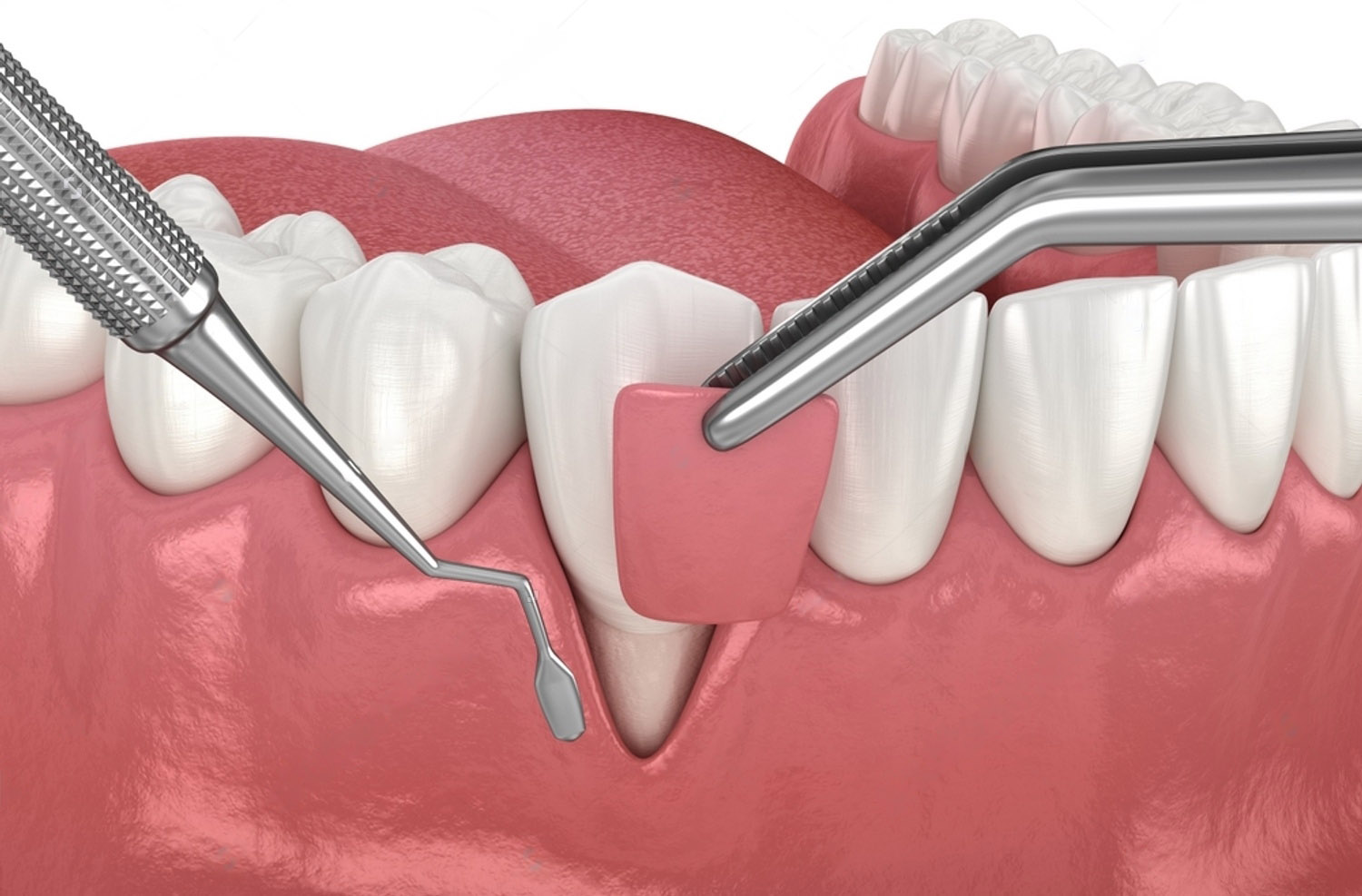
In a surgical operation known as gum grafting or soft tissue grafting, healthy gum tissue from one part of the mouth is transplanted to areas where the gums have retreated. This lessens dental sensitivity, covers exposed tooth roots, and puts the gum line back where it should be.
Depending on how severe the gum recession is, either one or several teeth may undergo the surgery. Gum grafting shields the teeth from decay and injury by rebuilding the gum tissue, which also helps stop additional gum recession.
What Causes Gum Recession?
There are a number of causes for gum recession, including:
- Periodontal disease: This condition is one of the most frequent causes of gum recession. Over time, gum recession results from this bacterial infection’s harm to the bone supporting your teeth as well as the gum tissue.
- Aggressive brushing: Using a hard-bristled toothbrush or brushing your teeth too vigorously can cause gum tissue to be worn away and lead to receding gums.
- Genetics: Regardless of their dental hygiene habits, some people are genetically predisposed to gum recession.
- Inadequate dental care: Plaque and tartar accumulation from poor oral hygiene practices can result in gum disease and contribute to gum recession.
- Hormonal changes: Gums may become more sensitive and vulnerable to recession as a result of hormonal fluctuations, such as those that occur during pregnancy or menopause.
Types of Soft Tissue Grafting (Gum Grafting)
Various gum grafting techniques are available, based on the particular requirements of the patient. The following kinds of soft tissue transplantation are available at Toronto North Periodontics:
Grafting of Connective Tissue
The most popular kind of gum grafting treatment is the connective tissue graft. This technique involves making a little incision in the roof of your mouth and removing the tissue layer beneath it. After that, the tissue is sewn into place over the gum recession. Following tissue removal, the flap on the roof of the mouth is also sutured. This method works well for concealing exposed tooth roots and giving the gums more thickness.
Free Gingival Graft
Without making a flap, a tiny piece of tissue is removed straight from the roof of the mouth during a free gingival transplant. After that, the tissue is moved to the location that has receded. Patients who require more tissue to reinforce and extend their gum line and have thin gum tissue are frequently candidates for this kind of graft.
Pedicle Graft
Gum tissue from the vicinity of the tooth that has to be treated is used in a pedicle transplant. After partially cutting the tissue and pulling it over the exposed tooth root, the tissue is sutured into position. This method avoids taking tissue from the roof of the mouth and is performed when there is sufficient healthy gum tissue close to the damaged tooth.
Alloderm Graft
An Alloderm graft might be suggested for patients who would rather not use their own tissue. This kind of soft tissue graft restores the gum line by covering the exposed roots with donor tissue. For patients who need substantial grafting or who wish to avoid the discomfort associated with tissue harvesting, alloderm grafts are a great choice.
Benefits of Gum Grafting (Soft Tissue Grafting)
Gum grafting has several advantages for your smile’s appearance and oral health. The following are some of the main benefits of soft tissue grafting:
Preserves Visible Tooth Roots
Your roots show through as your gums recede. The root of your tooth is more susceptible to decay and injury than the crown, which is shielded by enamel. These exposed roots are shielded from germs, plaque, and other contaminants by gum grafting.
Lessens Sensitivity to Tooth
Increased sensitivity to hot, cold, and sweet meals can result from exposed tooth roots. Gum grafting helps lessen tooth sensitivity by covering the roots with healthy gum tissue, which makes eating and drinking more comfortable.
Stops Additional Gum Recession
Gum grafting helps stop more recession in addition to treating current gum recession. The transplant strengthens the gums and improves tooth protection by increasing the amount of tissue at the gum line.
Enhances Visual Appearance
Gum recession can produce an irregular gum line and give the appearance of longer teeth. Gum grafting improves the overall look of your smile by returning your gums to their original contour. Patients who are self-conscious about their receding gums can particularly benefit from this.
Promotes Dental Health Over Time
Strong teeth and good dental health depend on having healthy gums. Gum grafting lowers the chance of tooth loss and other oral health problems by stabilizing the gum tissue, which in turn maintains the bone and tissue components that hold your teeth in place.
What to Expect from the Gum Grafting Process
Knowing what to anticipate prior to, during, and following gum grafting is crucial if you’re thinking about getting the operation done.
Consultation and Evaluation
Making an appointment for a consultation at Toronto North Periodontics is the first step. Dr. Valentin Dabuleanu and his staff will examine your gums, estimate the extent of your gum recession, and suggest the best gum graft procedure for you during this visit.
The Process
To make sure you are comfortable throughout the surgery, the treatment region will be numbed with local anesthetic on the day of the procedure. Sedation solutions are also available to help you feel more at ease if necessary.
The tissue, which may be taken from the roof of your mouth or from a donor, is carefully positioned over the receding area and secured with sutures. As it heals, the graft will fuse with your natural gum tissue to form a stronger, healthier gum line.
Recovery and Aftercare
You can have some little soreness and edema following the treatment, but these usually go away in a few days. To guarantee a speedy recovery, comprehensive post-operative care instructions will be given to you. Regular follow-up appointments will be planned to track your progress, and full healing often happens in one to two months.
Use Gum Grafting to Preserve Your Smile
Gum grafting is an effective solution for treating gum recession, reducing tooth sensitivity, and improving the overall health and appearance of your smile. At Toronto North Periodontics, our experienced team is dedicated to helping you achieve optimal gum health through advanced periodontal care.
If you’re concerned about receding gums or experiencing sensitivity due to exposed roots, contact us today to schedule a consultation. Let us help you protect your teeth and restore your smile with gum grafting and soft tissue grafting solutions tailored to your needs.